Permanent Makeup & Areola Tattoo Tips & Info



Thinking About Areola Tattooing in Wentzville After Surgery?
Reconstruction doesn't always feel finished when the surgeon says it is. You've been through the medical gauntlet — mastectomy, gender-affirming surgery, or trauma repair — and the body is healing. But the mirror still shows a gap. That's where areola tattooing steps in. Not as a luxury. As restoration. A way to reclaim what surgery had to take or change, and to feel whole again without another trip to the OR.
Most people don't know this option exists until a nurse mentions it or they stumble across it online. By then, they've already spent months adjusting to a new normal. If you're in Wentzville and weighing whether areola micropigmentation makes sense for you, here's what actually matters — not the sales pitch, but the real mechanics, the process, and what it takes to get it right.
Micropigmentation Isn't Just Makeup
Areola tattooing uses specialized pigments and techniques to recreate the natural appearance of the nipple-areola complex. It's not a cosmetic trend. It's medical-grade artistry designed for post-surgical patients who've lost tissue, pigmentation, or anatomical definition. The goal is symmetry, realism, and confidence — whether you're getting dressed in the morning or undressed at night.
The procedure mimics depth, texture, and color variation. A skilled artist layers pigment to create shadows and highlights that trick the eye into seeing dimension where there's only flat skin. Done well, it looks real enough that most people won't notice unless you tell them. Done poorly, it's obvious — and harder to fix than you'd think.
Why People Choose It
Reconstruction gives you shape. Tattooing gives you detail. And for a lot of patients, that detail is what bridges the emotional gap between survival and normalcy. Here's what drives the decision:
- You want to look down and recognize yourself again
- Surgical nipple reconstruction isn't an option or didn't work out
- Scarring or asymmetry left the area visually incomplete
- You're avoiding another surgery but still want the aesthetic closure
- Clothing fits differently and you'd rather not explain why
The Consultation Tells You Everything
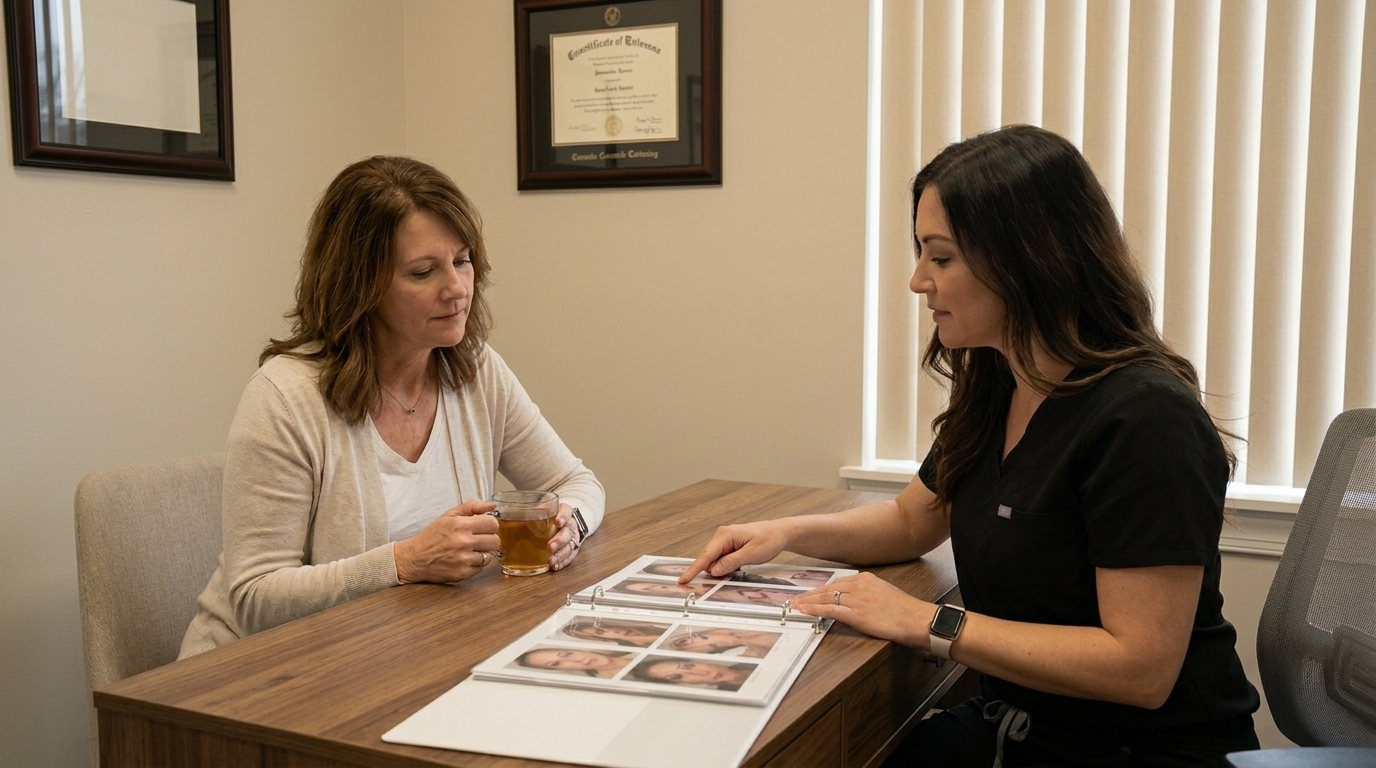
This isn't a walk-in appointment. A real consult involves sitting down with someone who understands scar tissue, skin tone, and how pigment behaves on reconstructed or grafted skin. You'll talk about color matching, placement, size, and whether your skin is ready. If you're still healing from surgery, they'll tell you to wait. Rushing it compromises results.
Bring reference photos if you have them. Bring questions. And if the artist doesn't ask about your surgical history or seem interested in your goals, walk out. You're not buying a logo. You're restoring part of your identity.
What Happens During the Session
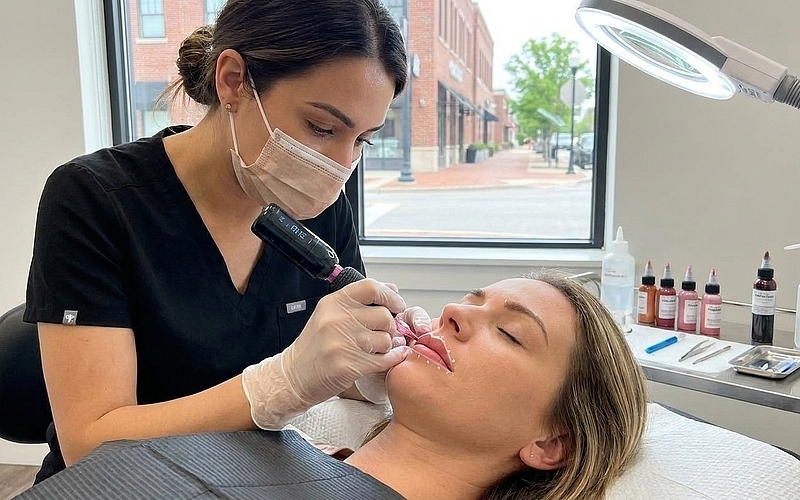
Most sessions run between one and two hours per side. The artist applies a topical numbing agent, maps out the design, and begins layering pigment using a tattoo device calibrated for precision. You'll feel pressure, maybe some discomfort, but it's manageable for most people. Scar tissue can dull sensation, so pain tolerance varies.
The artist builds up color gradually, checking progress as they go. They'll adjust for lighting, skin undertones, and how the pigment settles. By the end, the area will look darker than expected — that's normal. Pigment oxidizes and fades slightly as it heals, so the final result won't show up for weeks.
Healing Requires Patience and Discipline
Aftercare isn't optional. You'll need to keep the area clean, avoid soaking it in water, and stay out of direct sunlight while it heals. Picking at scabs or skipping moisturizer can pull pigment out unevenly. Most people heal within two to three weeks, but full color stabilization takes closer to six.
Touch-ups are common. Skin absorbs pigment differently depending on texture, blood flow, and scar density. A follow-up session lets the artist refine edges, deepen color, or adjust symmetry. Budget for it upfront so you're not caught off guard.
Finding the Right Artist in Wentzville
Not every tattoo artist does medical work. And not every cosmetic tattoo specialist understands post-surgical skin. You need someone trained specifically in areola restoration — someone who's worked with mastectomy patients, top surgery clients, and trauma cases. Check their portfolio. Ask about their training. Make sure they're working in a clean, licensed facility.
If they can't show you healed results, keep looking. Fresh tattoos always look good. Healed work is what counts. And if they brush off your questions or make promises that sound too smooth, trust your gut. This is your body. You get one shot to do it right.
What Can Go Wrong
Infection is rare but possible, especially if aftercare instructions get ignored. Allergic reactions to pigment happen occasionally, though reputable artists use hypoallergenic formulas. The bigger risk is poor execution — uneven color, mismatched symmetry, or pigment that fades too fast or changes tone over time.
That's why vetting your artist matters. And why waiting until your skin is fully healed from surgery is non-negotiable. Tattooing over fresh scars or unstable tissue leads to unpredictable results and wasted money.
How Long It Lasts
Areola tattoos don't last forever. Pigment fades naturally over time, especially with sun exposure or skin changes. Most people see strong results for three to five years before needing a refresh. Some go longer. Some need touch-ups sooner. It depends on skin type, aftercare habits, and how the body metabolizes pigment.
Plan for maintenance. It's not a one-and-done procedure. But compared to the alternative — living without it or going back under the knife — most people consider it a worthwhile trade-off.
Common Questions We Hear
- Can you tattoo over radiation-damaged skin? Sometimes, but it requires extra care and realistic expectations about pigment retention
- Does insurance cover it? Rarely, though some policies include it as part of breast reconstruction benefits
- Will it look fake? Only if the artist lacks experience or you skip the consultation process
- Can I choose any color? Within reason — your artist will guide you toward shades that match your natural skin tone and age appropriately
When to Move Forward
If you're months out from surgery, cleared by your doctor, and emotionally ready to take this step, there's no reason to wait. Areola tattooing won't erase what you've been through, but it can close the gap between where you are and where you want to be. It's not about perfection. It's about feeling like yourself again.
We've seen people walk out of sessions in tears — not from pain, but from relief. That's what good work does. It gives you permission to move on. To stop explaining. To stop compensating. To just be.
Ready to Take the Next Step?
We understand how important it is to feel comfortable in your own skin again. If you're considering areola tattooing in Wentzville, let's talk about how we can help you move forward with confidence. Reach out to us at 314-265-7542 or book now to schedule your consultation and start your journey toward restoration.
‹ Back
Recent Posts
-
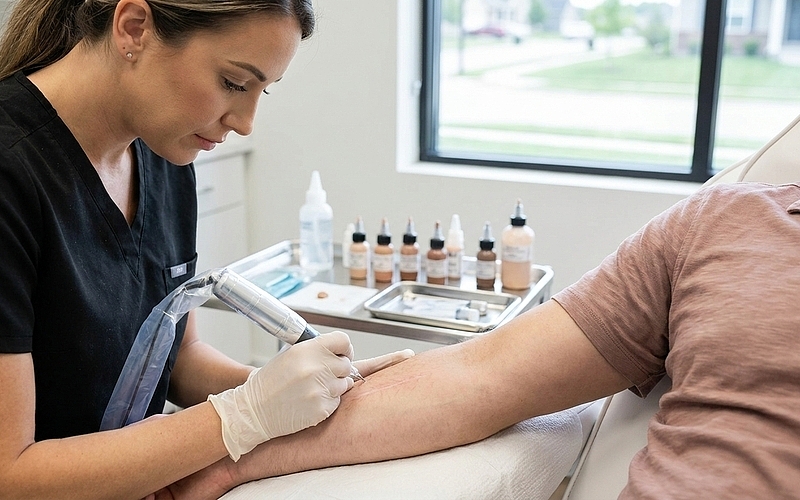
Making Scars Less Noticeable With Scar Camouflage in Wentzville
October 20, 2026
-
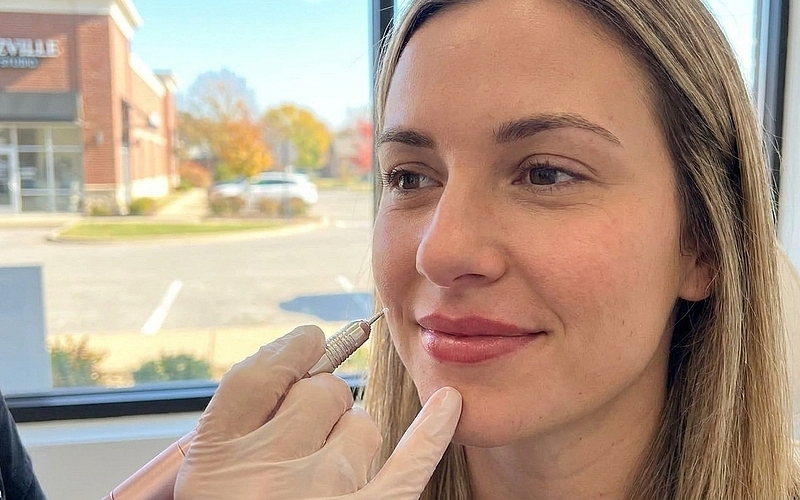
Long-Lasting Lip Color With Lip Blushing in Wentzville
October 6, 2026
-
Defining Your Lip Shape With Lip Blushing in Wentzville
September 22, 2026
-

Thinking About Permanent Brow Makeup in Wentzville?
September 2, 2026
-


Licenses:
- Licensed Tattoo Artist in Missouri
- Medical Micro Pigmentation Certified
- Ombre Brow Master Artist/Educator
Contact Us
-
Malorie Harris LLC
223 Creekside Office Drive
Wentzville, MO 63385
Hours
-
Monday-Friday: 10:00 AM - 4:00 PM
Saturday & Sunday: Closed
By Appointment Only
Site by