Permanent Makeup & Areola Tattoo Tips & Info

Scar Camouflage Tattooing in Wentzville for Surgical Scars
Surgical scars don't fade the way most people hope they will. Some lighten over time, sure. But plenty stick around — pale, raised, or discolored — reminding you of a procedure you'd rather not think about every time you look in the mirror. That's where scar camouflage tattooing comes in. It's not cosmetic fluff. It's a specialized technique that uses pigment to blend scars into your natural skin tone, making them far less obvious. And if you're in Wentzville dealing with a scar that won't quit, this might be the solution you didn't know existed.
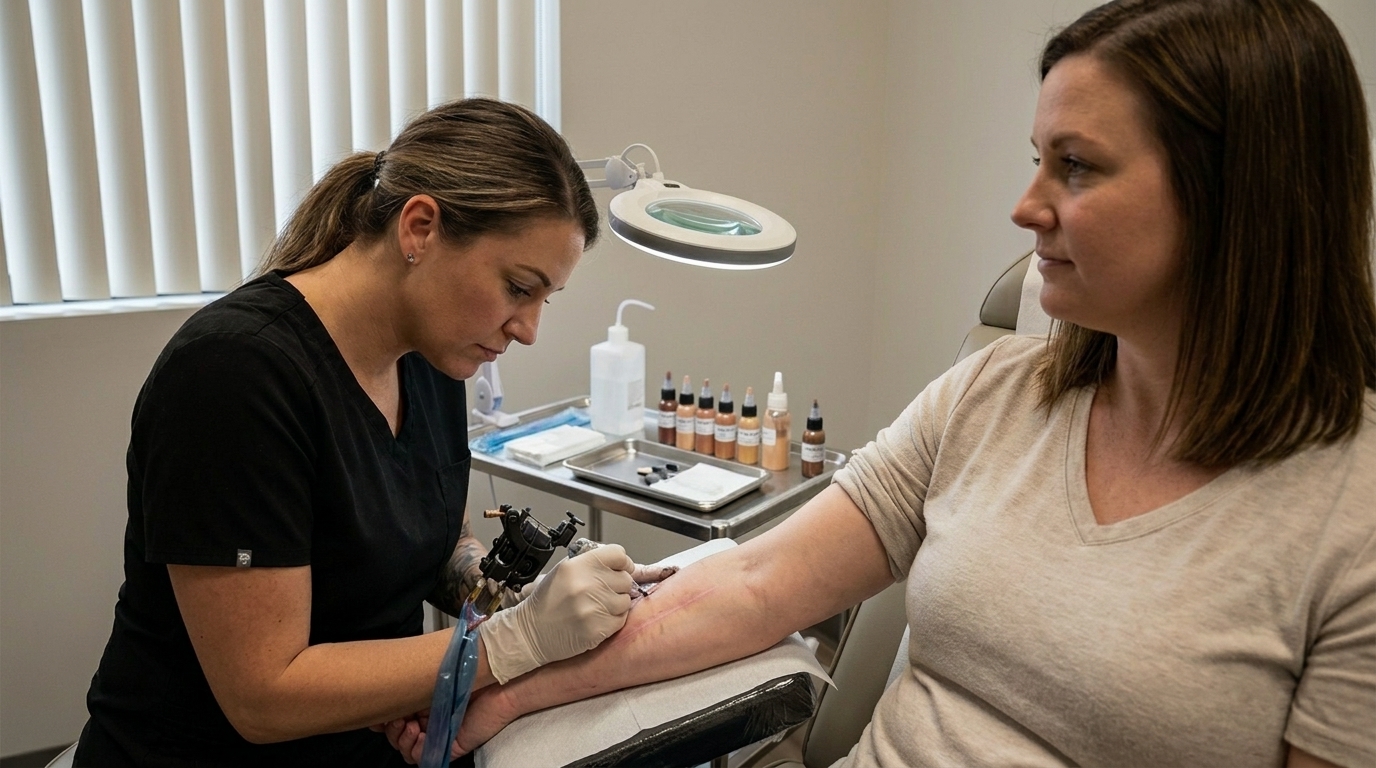
We're not talking about covering scars with decorative ink or slapping on makeup every morning. This is paramedical tattooing — precise, custom-blended, and designed to disappear into your skin. The goal isn't to erase history. It's to stop broadcasting it.
How the Pigment Does the Heavy Lifting
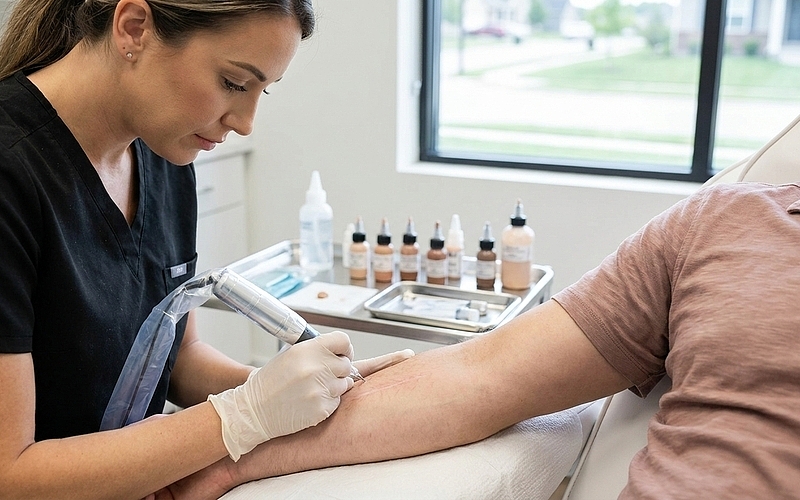
Scar camouflage tattooing works by depositing pigment into the upper dermal layers, right where the scar tissue sits. The artist matches your exact skin tone — not close, exact — and applies it in layers to neutralize the contrast between the scar and surrounding skin. The result is a scar that blends instead of stands out.
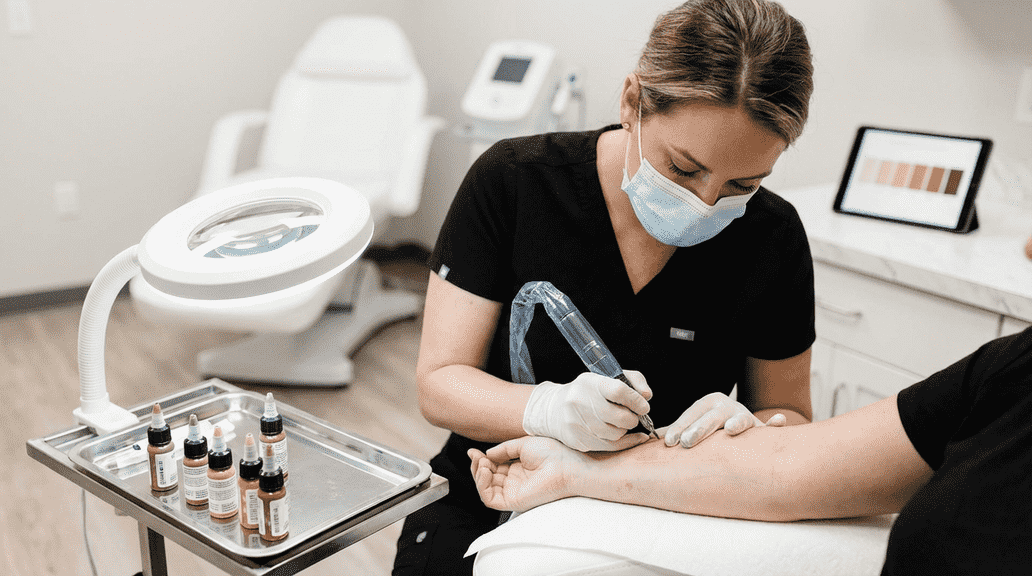
This isn't a one-size-fits-all process. Every scar heals differently. Some are white, some are pink, some are darker than the skin around them. The pigment has to be custom-mixed for your specific tone and undertone. That's why experience matters. A skilled artist in Wentzville will assess your scar, test pigments, and build a plan that actually works for your skin.
Why People Choose This Over Other Options
There are other ways to address surgical scars — laser treatments, topical creams, even revision surgery. But most of those options come with downtime, discomfort, or results that don't live up to the hype. Scar camouflage tattooing offers something different. It's minimally invasive, relatively quick, and the results can last for years with proper care.
Here's what makes it stand out:
- No surgery required — just pigment and precision
- Results show up fast, usually within a few weeks of healing
- Works on scars that other treatments can't touch
- Minimal downtime compared to laser or surgical revision
- Long-lasting when maintained correctly
Not Every Scar Qualifies
Before you book an appointment, know this — not all scars are good candidates. The scar needs to be fully healed, which usually means waiting at least a year after surgery. It should be flat or only slightly raised, and lighter than your natural skin tone. Keloid scars, hypertrophic scars, or scars that are still red and inflamed won't respond well to pigment.
A qualified artist will evaluate your scar during a consultation and tell you straight whether camouflage tattooing will work. If it won't, they'll say so. If it will, they'll walk you through what to expect — how many sessions, what kind of pigment, and how the healing process plays out.
What Happens During the Appointment
The process starts with color matching. The artist will compare pigments to your skin under different lighting to find the perfect blend. Once that's locked in, they'll apply a topical numbing agent to minimize discomfort. Then comes the tattooing itself — controlled, methodical, and focused entirely on the scarred area.
Depending on the size and depth of the scar, you might need multiple sessions. Larger scars or those with uneven texture often require layering to achieve full coverage. Each session builds on the last, gradually blending the scar until it's nearly invisible.
Aftercare Determines How Well It Holds
Once the pigment is in, your job is to protect it. The treated area will be tender for a few days, and the color will look darker than expected at first. That's normal. As the skin heals, the pigment settles and lightens to match your natural tone.
Here's what you need to do to keep the results intact:
- Keep the area clean and dry for the first week
- Avoid direct sun exposure — UV rays will fade the pigment
- Don't pick at scabs or peeling skin
- Use a gentle, fragrance-free moisturizer as directed
- Skip swimming pools, hot tubs, and saunas until fully healed
Following proper scar camouflage after care protocols ensures optimal healing and pigment retention.
Finding the Right Artist in Wentzville
This isn't the kind of work you trust to just anyone with a tattoo machine. Scar camouflage requires training in paramedical tattooing, an understanding of skin tones and healing, and a portfolio that proves they can deliver. In Wentzville, look for artists who specialize in this exact service — not someone who does it on the side.
Ask to see before-and-after photos. Ask about their certification and how long they've been doing scar work. A good artist will answer every question, explain the process in detail, and set realistic expectations. If they rush you or promise perfection, walk away. You can explore our photo gallery to see examples of successful scar camouflage work.
When to Expect Full Results
Healing takes time. The initial redness and swelling fade within a few days, but the pigment continues to settle for several weeks. Most people see the final result around four to six weeks after their last session. At that point, the scar should blend seamlessly with the surrounding skin.
Touch-ups may be needed down the line, especially if you spend a lot of time in the sun or if your skin tone changes. But with proper care, the results can last several years before any maintenance is required.
Common Concerns We Hear
People worry about pain, about the pigment looking fake, about whether it's worth the cost. Here's the reality. The discomfort is manageable — most clients describe it as less painful than the original surgery. The pigment, when done right, looks natural. And the cost? It's a fraction of what you'd pay for surgical revision, with results that often outperform it.
Another concern is whether the pigment will fade unevenly or change color over time. That's why choosing an experienced artist matters. They'll use high-quality pigments designed for skin camouflage, not standard tattoo ink, which behaves differently in scar tissue. If you have questions, check out our FAQs for more information.
Who Benefits Most from This Technique
Scar camouflage tattooing works best for people with mature, flat scars that are lighter than their natural skin tone. Common candidates include those with scars from:
- C-sections and abdominal surgeries
- Breast surgeries, including mastectomies and reductions
- Joint replacements and orthopedic procedures
- Skin cancer removal and reconstructive surgery
- Accident-related trauma and emergency surgeries
Many clients also benefit from other paramedical tattooing services such as areola tattooing following breast reconstruction.
Why Waiting Matters
Rushing into scar camouflage before the scar is fully healed is a mistake. Fresh scars are still changing — the color shifts, the texture settles, and the body is still repairing tissue. Tattooing too early can lead to poor pigment retention, uneven results, or even complications with healing.
Most professionals recommend waiting at least 12 to 18 months after surgery. That gives the scar time to mature and your skin time to stabilize. It's frustrating to wait, but it's the difference between results that last and results that disappoint.
The Confidence Shift Is Real
We've seen clients walk in self-conscious about scars they've hidden for years. They leave with scars that no longer define how they see themselves. That shift — from avoiding certain clothes to wearing what they want, from feeling marked to feeling whole — that's what makes this work matter.
Scar camouflage tattooing in Wentzville isn't about vanity. It's about reclaiming your skin and moving forward without a constant visual reminder of what you've been through. If you've been living with a surgical scar that won't fade, this might be the answer you've been looking for. Find a qualified artist, ask the right questions, and take the first step toward blending that scar into the background where it belongs.
Ready to Take the Next Step?
We know how much confidence can shift when your scar blends in instead of standing out. If you're ready to see what scar camouflage tattooing can do for you, let's talk about your options and get you on the path to feeling comfortable in your own skin again. Call us at 314-265-7542 or book now to schedule your consultation and start your journey toward a more confident you.
‹ Back
Recent Posts
-
Making Scars Less Noticeable With Scar Camouflage in Wentzville
October 20, 2026
-
Long-Lasting Lip Color With Lip Blushing in Wentzville
October 6, 2026
-
Defining Your Lip Shape With Lip Blushing in Wentzville
September 22, 2026
-

Thinking About Permanent Brow Makeup in Wentzville?
September 2, 2026
-


Licenses:
- Licensed Tattoo Artist in Missouri
- Medical Micro Pigmentation Certified
- Ombre Brow Master Artist/Educator
Contact Us
-
Malorie Harris LLC
223 Creekside Office Drive
Wentzville, MO 63385
Hours
-
Monday-Friday: 10:00 AM - 4:00 PM
Saturday & Sunday: Closed
By Appointment Only
Site by