Permanent Makeup & Areola Tattoo Tips & Info

Restorative Tattooing in Wentzville for Confidence After Surgery
Most people think surgery ends when the stitches come out. It doesn't. The physical healing might wrap up in weeks, but the emotional side? That can drag on for years. Scars don't just sit on your skin—they sit in your head. They change how you see yourself, how you move through the world, and whether you feel whole again. Restorative tattooing in Wentzville isn't about vanity. It's about reclaiming what surgery took away.
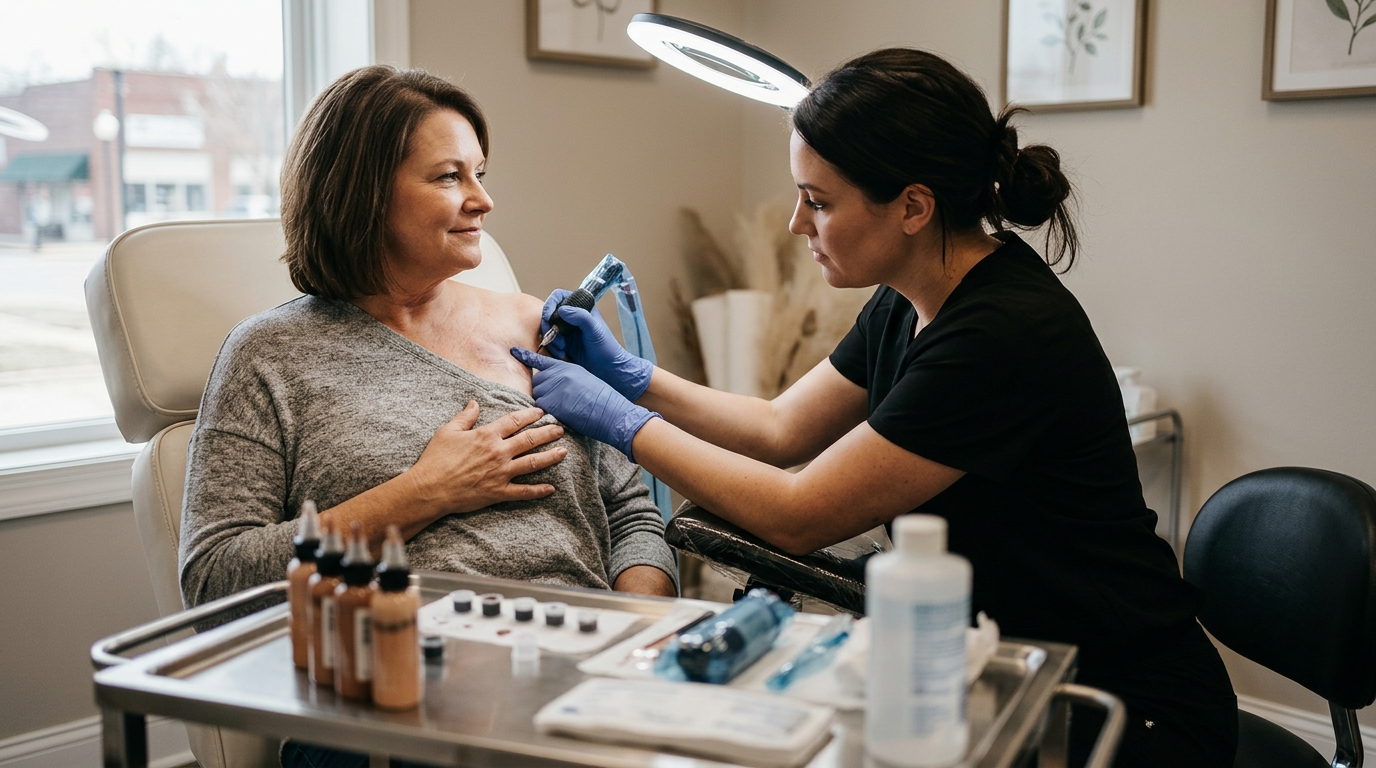
This isn't decorative ink. It's precision work designed to rebuild what's missing or blend what's visible. Whether it's recreating an areola after mastectomy or softening a scar that won't let you forget, restorative tattooing gives people a way to look in the mirror and recognize themselves again. And in Wentzville, there are artists who know exactly how to make that happen.
What Restorative Tattooing Actually Does
Restorative tattooing—sometimes called paramedical or medical tattooing—is built around one goal: making skin look like skin again. It's not about adding decoration. It's about restoring what was there before, or creating the illusion of it so convincingly that no one would know the difference. Artists use pigments matched to your exact skin tone, applied with techniques that mimic natural texture and shading.
The most common applications are post-mastectomy nipple and areola reconstruction, scar camouflage after trauma or surgery, and skin tone correction for areas affected by burns or pigmentation loss. Every case is different. Every client needs something specific. That's why the best artists in Wentzville treat this like the medical procedure it is—not just another tattoo appointment.
Scars Carry Weight You Can't Always See
Some people wear their scars with pride. Others can't stand to look at them. There's no right way to feel about what's left behind after surgery, but there's also no denying the impact. Scars can dictate what you wear, whether you go to the beach, how comfortable you are in intimate moments. They're a constant reminder of something you might be trying to move past.
For breast cancer survivors, the loss of a nipple or areola can feel like losing part of your identity. For those who've had reconstructive surgery, uneven pigmentation or visible scarring can make the results feel incomplete. Restorative tattooing bridges that gap. It doesn't erase what happened, but it gives you control over how it shows up—or doesn't—on your body.
Services That Rebuild What Surgery Left Behind
Wentzville's restorative tattoo artists offer a range of services tailored to post-surgical needs. These aren't cookie-cutter procedures. Every session is customized based on skin tone, scar tissue, and what the client wants to achieve. The work is technical, but it's also deeply personal.
- Areola and nipple reconstruction that matches size, color, and placement to create symmetry and realism
- Scar camouflage using layered pigments to blend surgical marks into surrounding skin
- Skin tone correction for areas with hypopigmentation or uneven coloring after surgery
- Custom artistic designs that transform scars into intentional, meaningful body art
- Consultation-based planning to ensure every detail aligns with the client's vision and comfort level
Each service requires a different approach. Nipple reconstruction, for example, involves 3D shading techniques to create depth and dimension. Scar camouflage might take multiple sessions to build up layers of pigment that truly disappear into the skin. The artists who do this well understand anatomy, color theory, and the psychology of healing.
The Procedure Isn't Rushed
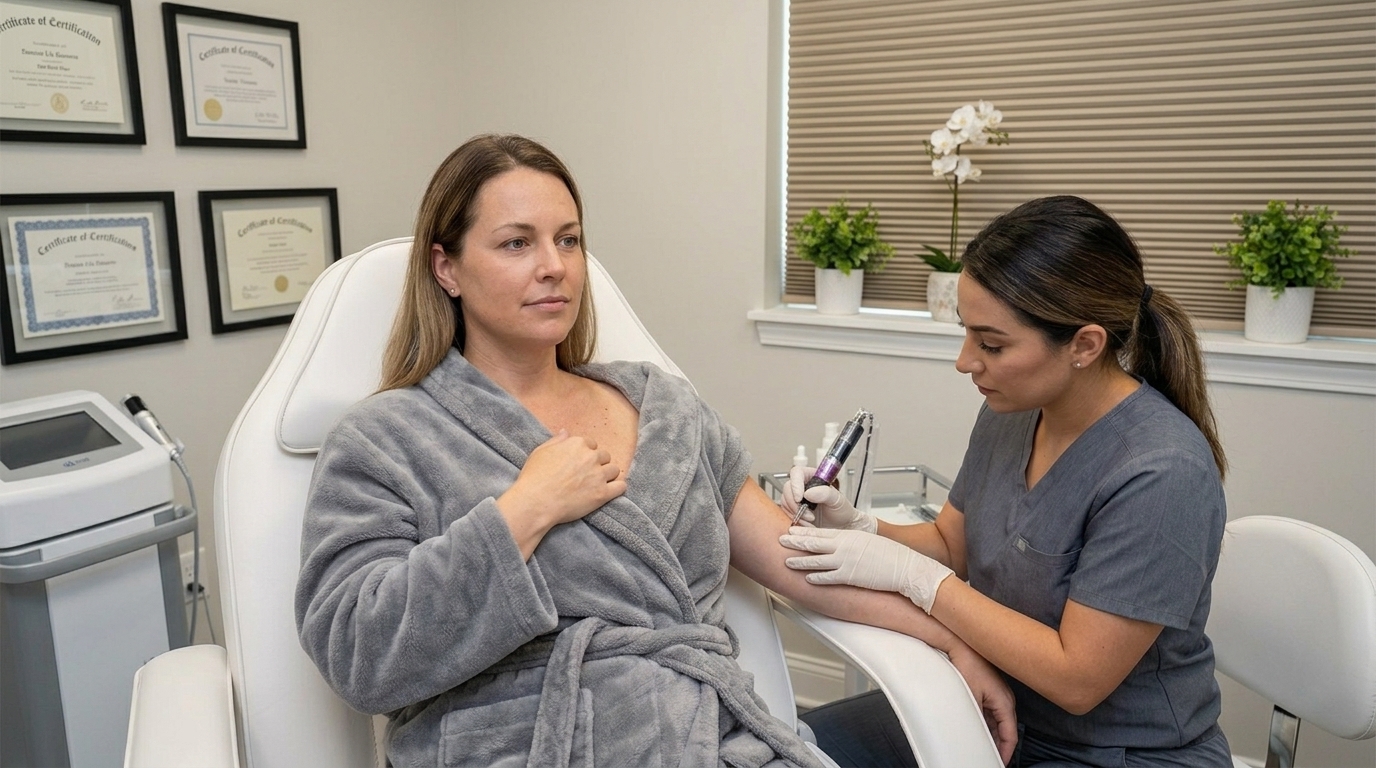
Restorative tattooing starts with a consultation. The artist examines the area, discusses your goals, and explains what's realistic. They'll talk about color matching, how many sessions you'll need, and what the healing process looks like. This isn't a walk-in service. It's planned, deliberate, and collaborative.
On procedure day, the area is prepped and cleaned. The artist applies pigment using techniques designed for medical tattooing—not the same tools or methods used for traditional tattoos. Depending on the complexity, you might need one session or several. Aftercare is critical. Follow the instructions, keep the area clean, and don't skip follow-ups. The results depend on how well the skin heals and how the pigment settles.
Finding the Right Artist Matters More Than You Think
Not every tattoo artist can do restorative work. This requires specialized training, an understanding of medical procedures, and experience working with scar tissue and post-surgical skin. In Wentzville, the best artists often collaborate with surgeons and healthcare providers. They're part of the recovery team, not just a side service.
When you're choosing an artist, look at their photo gallery. Ask about their training. Find out how many post-surgical clients they've worked with and what kinds of results they've achieved. You should feel confident in their skill and comfortable in their presence. If something feels off, keep looking. This is your body, your healing, and your decision.
What to Look for in a Qualified Practitioner
Experience and credentials separate the professionals from the amateurs. Restorative tattooing isn't something you learn in a weekend workshop. It takes years of practice, ongoing education, and a commitment to safety and precision.
- Certification in paramedical or medical tattooing from a recognized training program
- A portfolio that includes before-and-after photos of post-surgical work
- References or testimonials from clients who've undergone similar procedures
- A clean, professional studio that follows strict hygiene and safety protocols
- Clear communication about the process, risks, and realistic outcomes
Don't settle for someone who "also does" restorative work. Find someone who specializes in it. The difference shows up in the results—and in how you feel about those results months and years later.
Healing Happens in Layers
Restorative tattooing doesn't just change how your skin looks. It changes how you carry yourself. Clients talk about feeling more comfortable in their own bodies, more willing to be seen, more at peace with what they've been through. That's not superficial. That's real healing.
In Wentzville, the artists who do this work understand that. They're not just applying pigment—they're helping people rebuild confidence after something hard. If you're considering restorative tattooing, reach out to a local specialist. Ask questions. See their work. And give yourself permission to feel whole again.
Let's Start Your Next Chapter Together
We know how important it is to feel comfortable in your own skin after surgery. If you're ready to take the next step toward confidence and healing, let's talk about how restorative tattooing can help you move forward. Call us at 314-265-7542 or book now to schedule your consultation—we're here to support you every step of the way.
‹ Back
Recent Posts
-
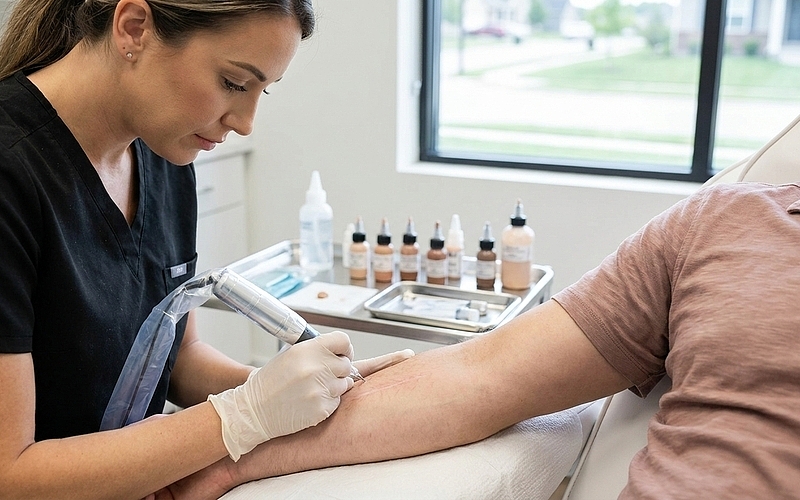
Making Scars Less Noticeable With Scar Camouflage in Wentzville
October 20, 2026
-
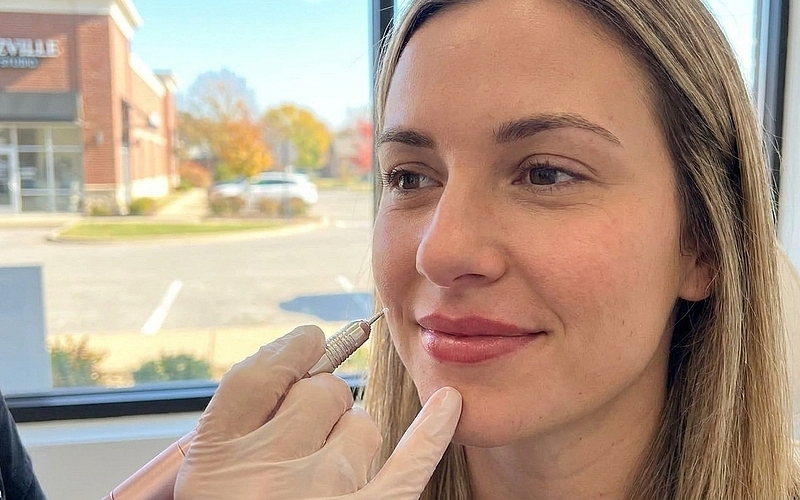
Long-Lasting Lip Color With Lip Blushing in Wentzville
October 6, 2026
-
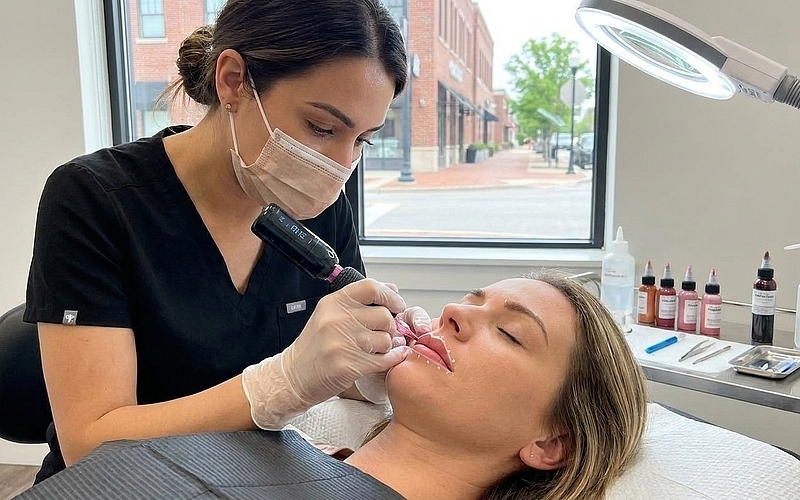
Defining Your Lip Shape With Lip Blushing in Wentzville
September 22, 2026
-

Thinking About Permanent Brow Makeup in Wentzville?
September 2, 2026
-

Licenses:
- Licensed Tattoo Artist in Missouri
- Medical Micro Pigmentation Certified
- Ombre Brow Master Artist/Educator
Contact Us
-
Malorie Harris LLC
223 Creekside Office Drive
Wentzville, MO 63385
Hours
-
Monday-Friday: 10:00 AM - 4:00 PM
Saturday & Sunday: Closed
By Appointment Only
Site by