Permanent Makeup & Areola Tattoo Tips & Info

Is Nipple Restoration Tattooing in Wentzville Right for You?
Most people think nipple restoration is about aesthetics. Appearance, symmetry, finishing touches. But it's deeper than that — and if you're not ready to examine what you actually want from the process, you're setting yourself up for disappointment. This isn't just ink on skin. It's the final chapter in a story that started with surgery, loss, or reconstruction. And like any ending worth having, it needs intention behind it.
So here's what matters. If you've been through breast surgery and you're looking to reclaim something that feels whole, that's powerful. Just don't walk into this thinking it's a guarantee of emotional closure. Every choice should be grounded in what the procedure can realistically deliver — not just what you hope it might mean for your confidence or your healing.
When a Tattoo Becomes More Than Body Art
Nipple restoration tattooing isn't your average ink session. This is medical-grade pigmentation designed to mimic the three-dimensional appearance of a natural nipple and areola. The artist uses specialized techniques to layer color, shadow, and dimension in ways that create realism. Done right, it looks like tissue. Done poorly, it looks flat and unconvincing.
The difference comes down to training and experience. Not every tattoo artist can pull this off. You need someone who understands skin tone variation, scar tissue behavior, and how pigment settles over time. If the person you're considering hasn't worked extensively with post-surgical clients, keep looking. This isn't the place to take chances on someone's learning curve.
Who Actually Needs This
We see this procedure most often with mastectomy patients. Breast cancer survivors who've undergone reconstruction and want the final piece restored. But it's not exclusive to that group. Trauma survivors, people born without fully developed nipples, or anyone who's had surgical alterations can benefit. Gender doesn't matter here either — men and women both pursue this work.
What does matter is timing. You need to be fully healed from any prior surgeries before areola tattooing begins. Scar tissue has to be stable. Swelling has to be gone. Rushing this step compromises results and wastes money. Most providers recommend waiting at least three to six months post-surgery, sometimes longer depending on your specific case.
What You Actually Get From the Procedure
- Visual Completion: The tattoo creates the illusion of a nipple and areola where there isn't one, giving the breast a finished look that matches the other side or restores bilateral symmetry.
- No Additional Surgery: Unlike nipple reconstruction that involves grafts or flaps, tattooing is surface-level work with no cutting, no stitches, and no surgical recovery period.
- Custom Color Matching: A skilled artist mixes pigments to match your natural skin tone, creating realistic shading that blends seamlessly with surrounding tissue.
- Minimal Downtime: Most people return to normal activities within a day or two, with only minor restrictions during the initial healing phase.
- Long-Term Results: Properly applied pigments can last several years before fading requires a touch-up session.
The Consultation Isn't Optional
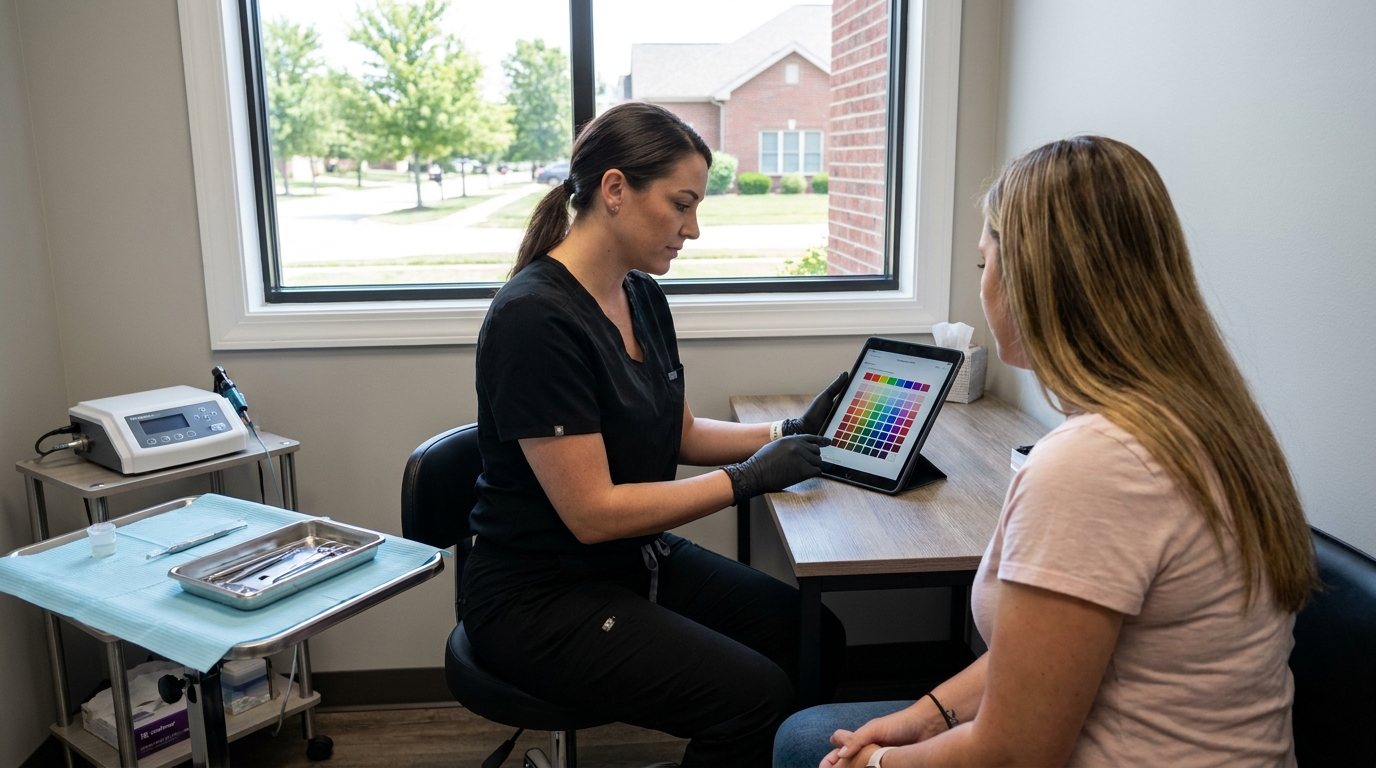
Before any needles touch your skin, you'll sit down with the artist or medical professional to map out expectations. They'll assess your skin type, review your surgical history, and discuss what's realistic given your anatomy. This is where you ask hard questions about their portfolio, their training, and how they handle complications if pigment doesn't take evenly.
You'll also choose pigment shades during this phase. Lighting matters here — what looks perfect under clinic lights might look off in natural daylight. A good provider will test colors on your skin and give you time to evaluate before committing. If someone rushes this part or dismisses your concerns, walk out. You deserve better.
What Happens During the Session
The actual tattooing usually takes one to two hours per breast. Topical anesthetic gets applied first to numb the area, though sensitivity varies depending on scar tissue and nerve damage from prior surgeries. The artist uses a specialized tattoo machine or manual tool to deposit pigment layer by layer, building up dimension and color gradually.
Discomfort is typically mild. Most people describe it as pressure or light scratching rather than sharp pain. If you've been through mastectomy or reconstruction, this will likely feel manageable by comparison. Afterward, you'll see some redness and swelling, but it fades within a few days. The pigment will appear darker initially and lighten as it heals over the next few weeks.
Aftercare Determines How Well It Holds
- Keep It Clean: Gently wash the area with mild soap and water, patting dry without rubbing or scrubbing.
- Moisturize as Directed: Use the ointment or lotion your provider recommends to prevent scabbing and promote even healing.
- Avoid Sun Exposure: UV rays can fade pigments prematurely, so keep the area covered or use high-SPF sunscreen once healed.
- Skip the Pool and Gym: Chlorine, sweat, and friction can interfere with healing during the first week or two.
- Don't Pick at Scabs: Let any flaking skin fall off naturally to avoid pulling out pigment and creating uneven color.
Following areola tattoo after care instructions precisely ensures optimal pigment retention and prevents complications during the critical healing period.
Safety Comes Down to Who's Holding the Tools
Nipple restoration tattooing is safe when performed by someone trained in medical tattooing and infection control. That means sterile equipment, single-use needles, proper glove protocol, and a workspace that meets health department standards. If the setup looks sketchy or the artist can't answer basic questions about sterilization, don't proceed.
You also need to disclose your full medical history upfront. Allergies, autoimmune conditions, keloid scarring tendencies, or medications that affect healing all matter. If you have active skin infections or uncontrolled diabetes, this procedure may not be safe until those issues are managed. Transparency protects you and helps the provider deliver better results.
When It Doesn't Make Sense
Not everyone is a candidate. If your reconstruction is still settling or you're dealing with ongoing complications, wait. If you're unsure about your long-term reconstruction plan or considering revisions, hold off on tattooing until everything is finalized. Adding pigment to unstable tissue or skin that's likely to change wastes time and money.
Also, if you're expecting this procedure to solve deeper emotional struggles or replace therapy after trauma, it won't. Tattooing can be part of your healing process, but it's not a substitute for mental health support. Be honest with yourself about what you're hoping to achieve and whether this step will actually get you there.
Finding the Right Provider in Wentzville
- Verify Credentials: Look for certifications in paramedical tattooing or formal training with reputable organizations that specialize in medical aesthetics.
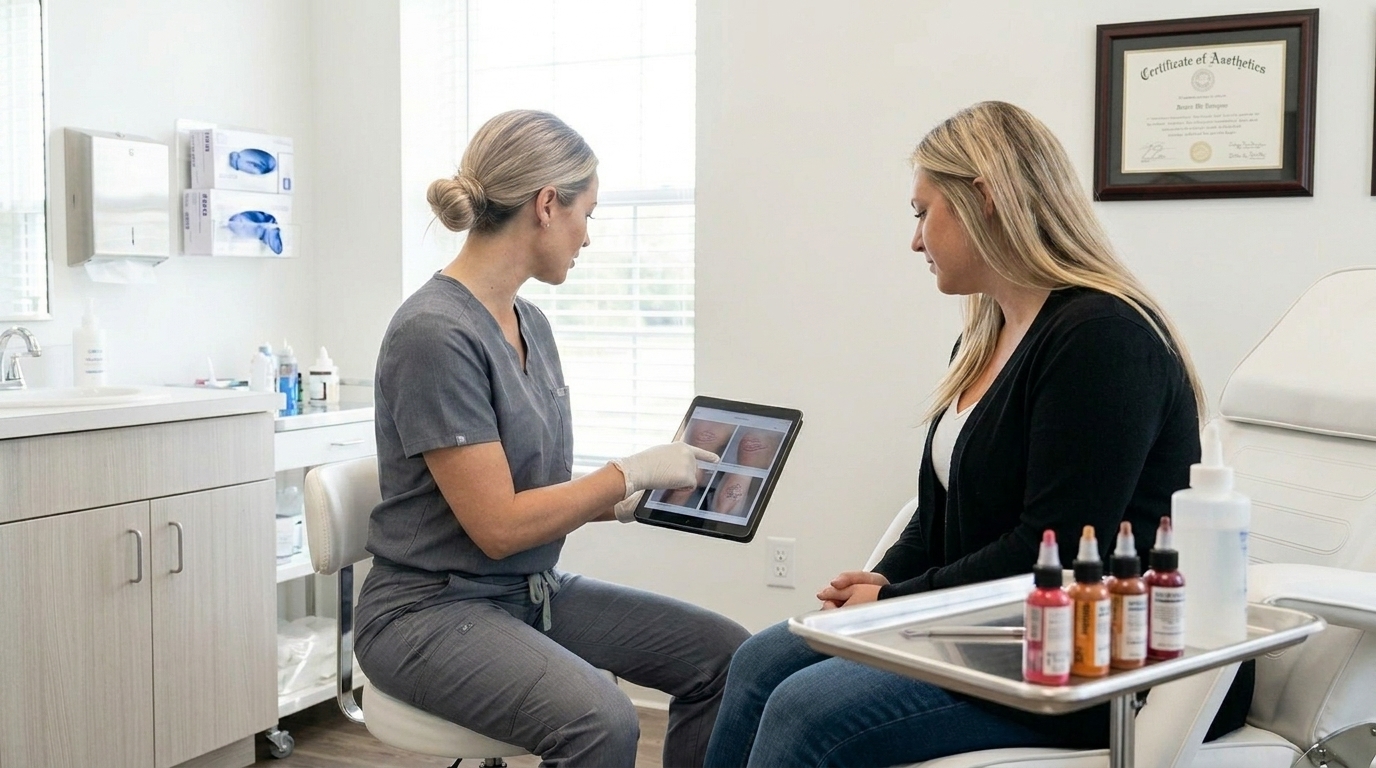
- Review Portfolios: Ask to see before-and-after photos of actual clients, paying attention to color accuracy, symmetry, and realism.
- Check References: Talk to past clients if possible, or read detailed reviews that discuss both results and bedside manner.
- Assess Communication: A provider who listens, answers questions thoroughly, and respects your concerns is worth their weight in gold.
- Confirm Sterility Practices: Ask about their infection control protocols and make sure they follow state regulations for bloodborne pathogens.
Reviewing before and after photos from actual clients gives you realistic expectations about color matching, dimension, and overall results from experienced providers.
What Happens When Pigment Fades
Even the best work fades over time. Sunlight, skin turnover, and natural aging all play a role. Most people need a touch-up every three to five years to refresh color and maintain the 3D effect. These sessions are shorter and less involved than the initial procedure, usually just an hour or less.
Fading isn't failure. It's part of how tattooing works on skin, especially in areas with scars or less blood flow. Plan for maintenance from the start, and budget accordingly. A provider who promises permanent results without any follow-up is either inexperienced or dishonest.
Making the Call
Deciding whether nipple restoration tattooing fits your life comes down to your priorities and your readiness. If you've finished reconstruction and want a non-surgical way to feel more whole, this procedure can deliver real results. If you're still sorting through trauma or unsure about your long-term goals, give yourself more time.
There's no pressure to rush. This is your body, your timeline, and your choice. But if you're ready to take this step in Wentzville, do it with a provider who offers comprehensive permanent makeup services and treats the work with the seriousness it deserves. Understanding frequently asked questions about the procedure helps you make informed decisions, and scheduling a consultation allows you to discuss your specific needs with a qualified specialist. You've already been through enough. The last thing you need is sloppy execution or empty promises when you're trying to reclaim something that matters.
Ready to Take the Next Step?
We understand how important it is to feel confident and complete after your journey. If you’re considering nipple restoration tattooing in Wentzville, let’s talk about how we can help you achieve natural, lasting results in a supportive environment. Reach out to us at 314-265-7542 or book now to start your consultation and take the next step toward feeling whole again.
‹ Back
Recent Posts
-
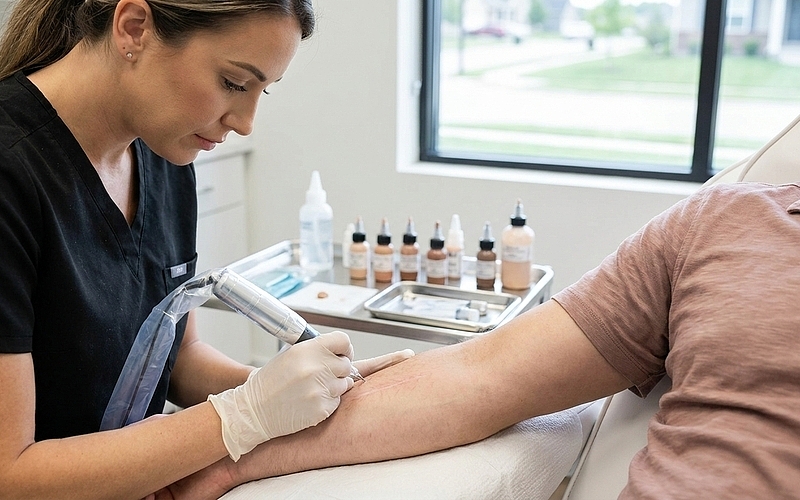
Making Scars Less Noticeable With Scar Camouflage in Wentzville
October 20, 2026
-
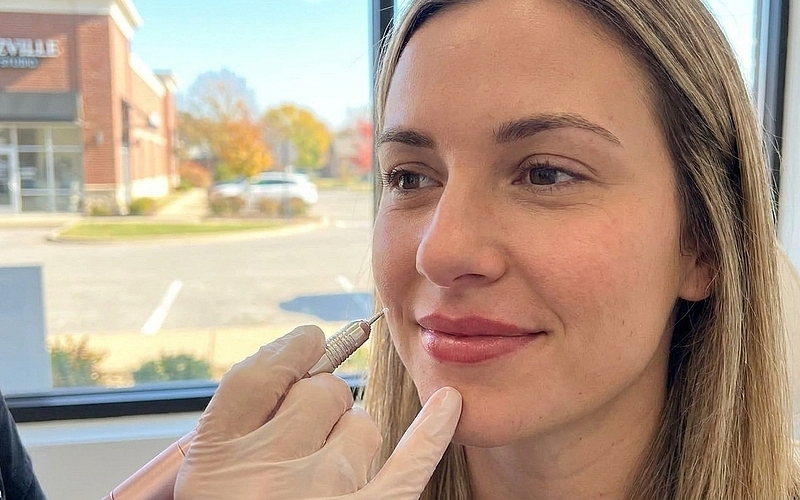
Long-Lasting Lip Color With Lip Blushing in Wentzville
October 6, 2026
-
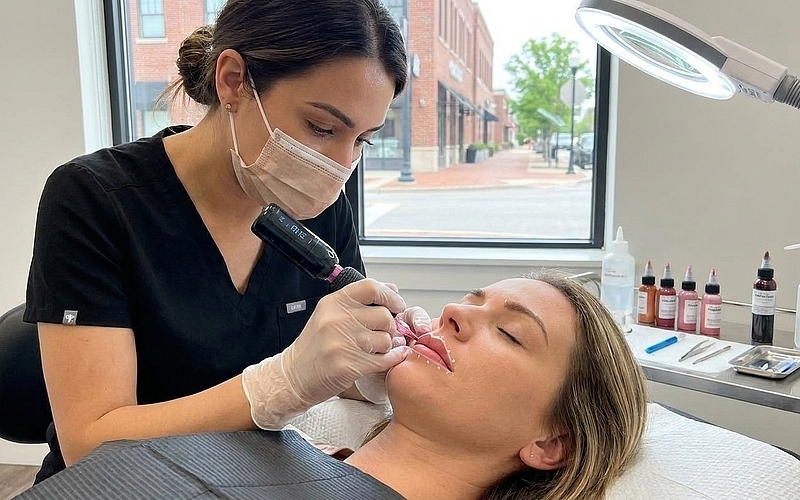
Defining Your Lip Shape With Lip Blushing in Wentzville
September 22, 2026
-

Thinking About Permanent Brow Makeup in Wentzville?
September 2, 2026
-


Licenses:
- Licensed Tattoo Artist in Missouri
- Medical Micro Pigmentation Certified
- Ombre Brow Master Artist/Educator
Contact Us
-
Malorie Harris LLC
223 Creekside Office Drive
Wentzville, MO 63385
Hours
-
Monday-Friday: 10:00 AM - 4:00 PM
Saturday & Sunday: Closed
By Appointment Only
Site by